
November is the perfect month to rethink the layout of your outdoor spaces, especially when you want to landscape the edges of a newly installed lawn. Among the techniques favored by landscaping professionals, bare-root planting stands out as an essential method.
At Plantations Weisen, we guide homeowners through every step of their garden design in Luxembourg, combining hardy bare-root plants with complementary species to create spaces that are harmonious all year round.
Why choose bare-root plants?
Unlike plants sold in containers year-round, bare-root plants are grown in open ground at a nursery and then dug up once they enter their dormant period (from November to March).
Faster and more vigorous root establishment
Without an artificial root ball, the roots come into direct contact with the soil in your garden. As soon as the warm weather returns in the spring, the root system anchors itself deeply without having to break through the barrier of potting soil. As a result, the plants develop greater resistance to summer drought.
An economical and eco-friendly choice
The absence of plastic pots and peat-based growing media, combined with reduced weight during transport, significantly lowers production costs. For the same budget, you can purchase higher-quality trees and shrubs or create large-scale plantings while minimizing your carbon footprint.
Which tree species should you plant, and how should you combine them?
This technique applies exclusively to deciduous plants (those that lose their leaves in winter). On our projects, we skillfully combine them with evergreen container plants and perennials to ensure a vibrant landscape in every season.
The ideal bare-root deciduous trees and shrubs
To structure a garden in Luxembourg and create elegant perspectives, several top-quality species are perfectly suited to this planting method:
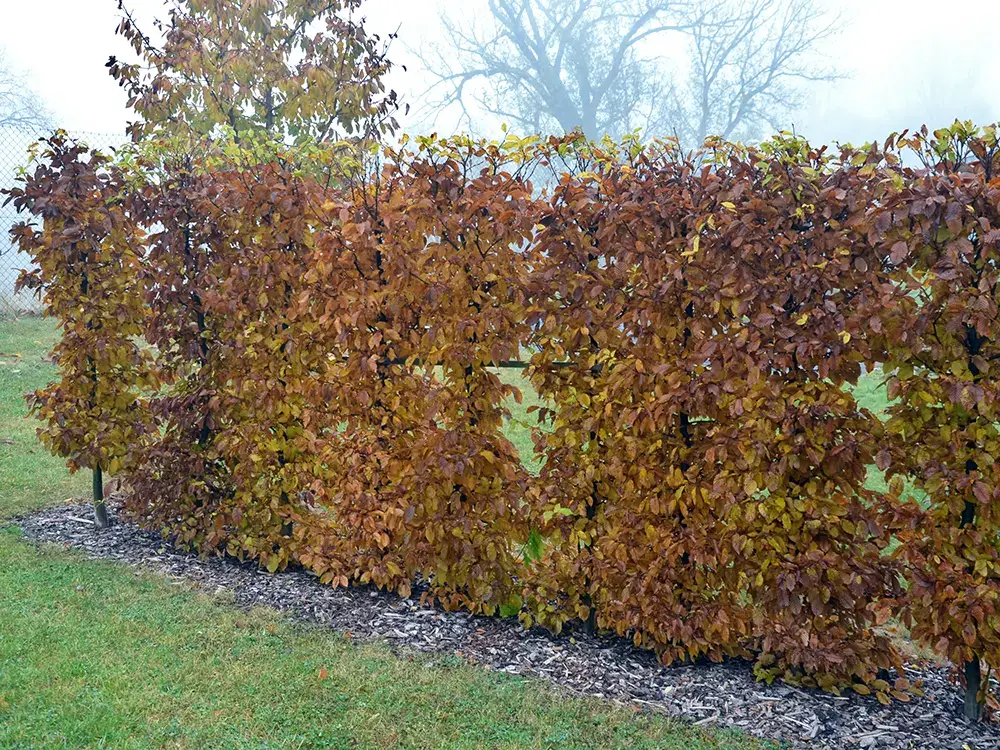
- Ornamental trees and structural plants: the espalier hornbeam, ideal for creating an airy green screen; the hackberry; or the Magnolia 'Susan'.
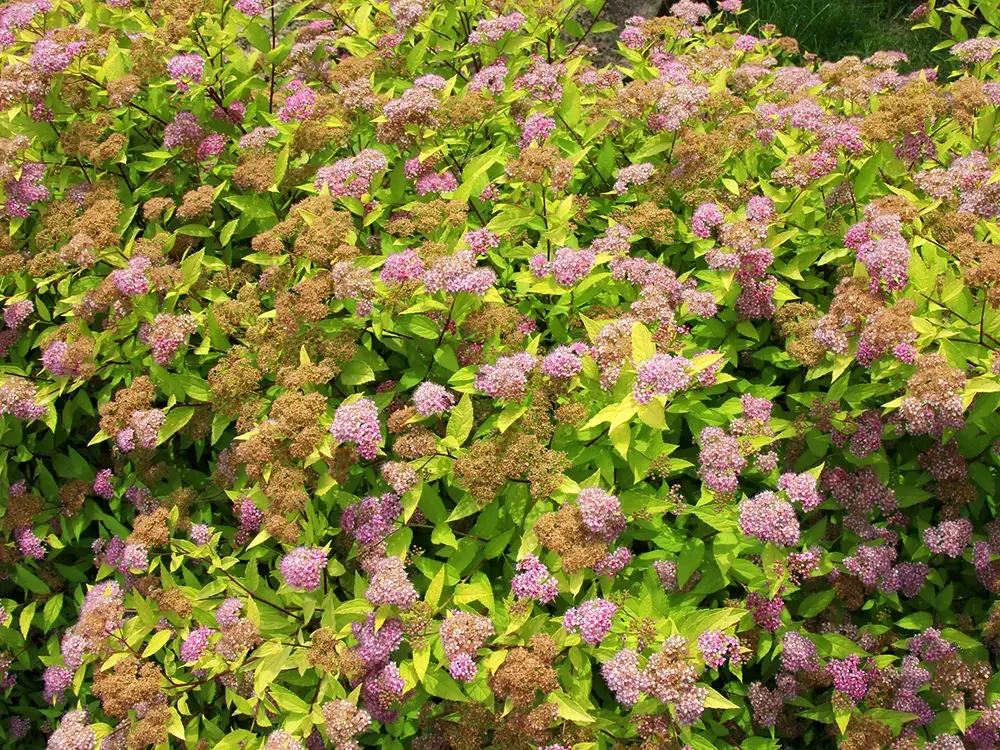
- Showers of blooms: roses, spireas, weigela, deutzia, hibiscus, and the butterfly bush.
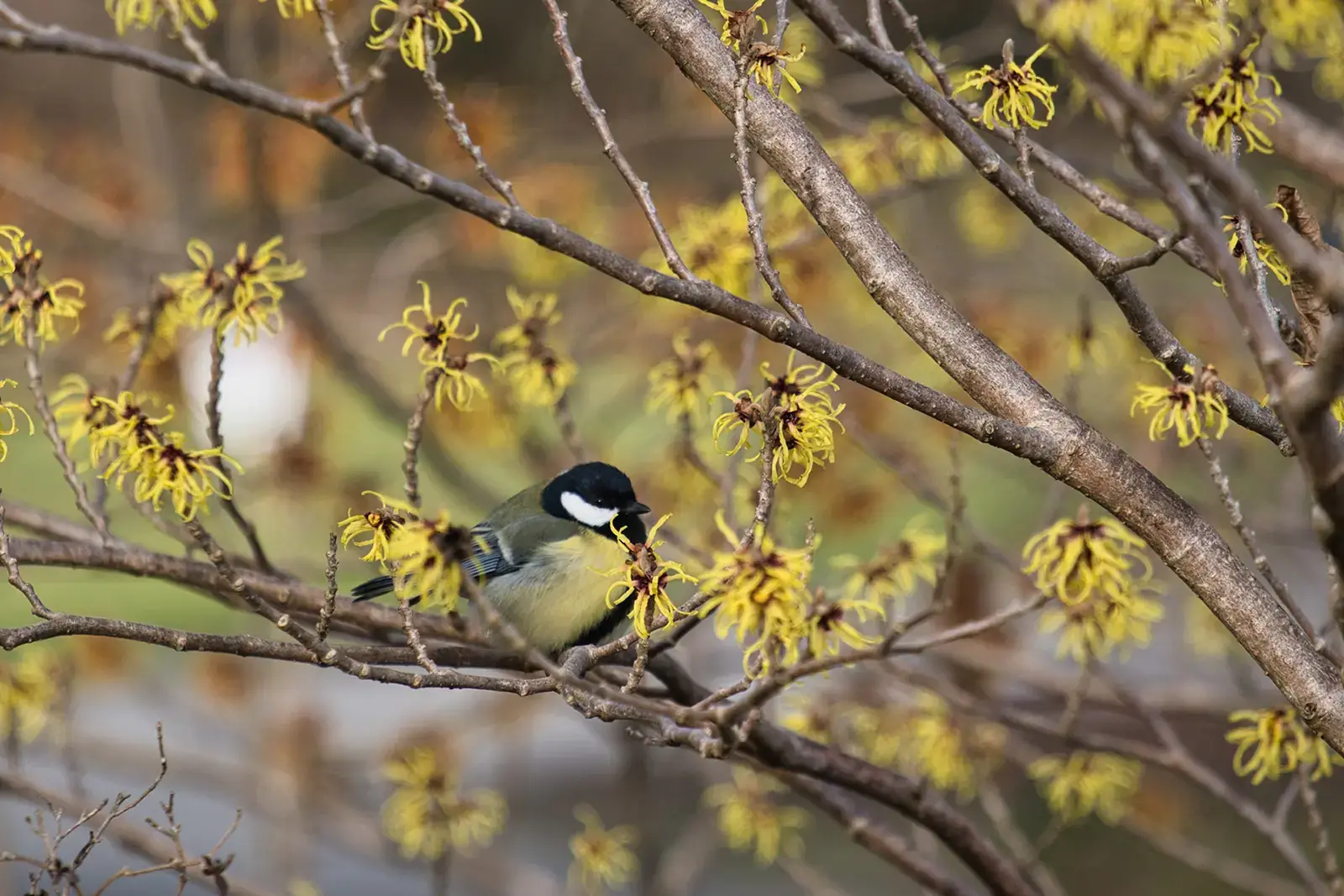
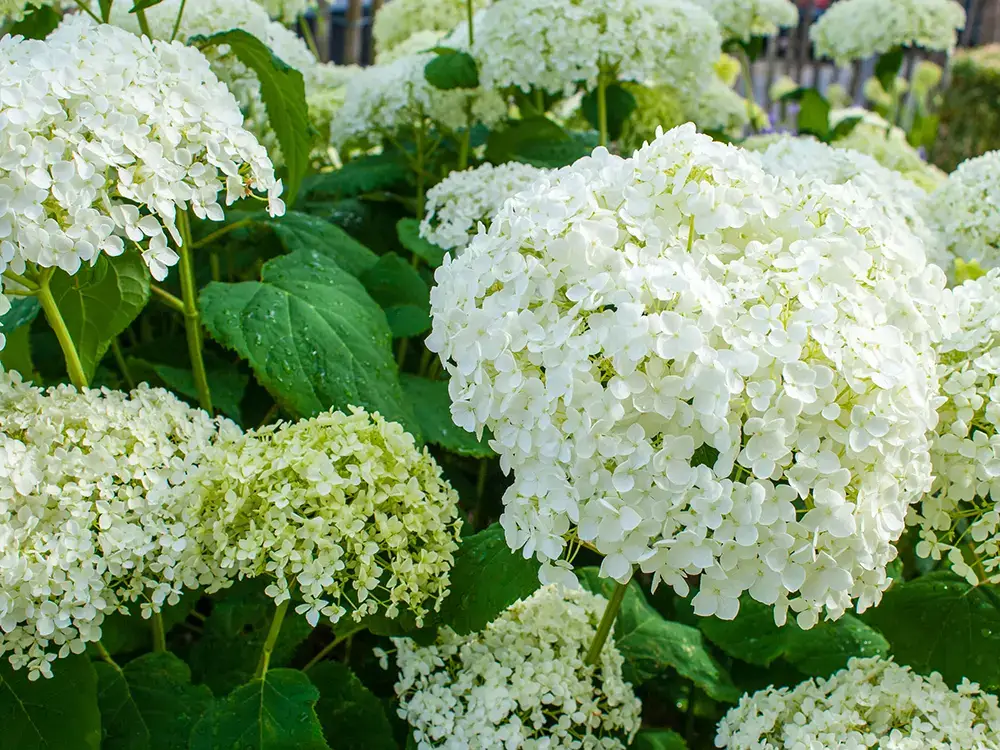
- Tried-and-true choices for flower beds and winter: hydrangeas and witch hazel, prized for its winter blooms.
Key steps to ensure successful planting
Success depends on careful preparation before planting:
- Trimming the roots: Lightly trim the tips of any damaged roots with clean pruning shears.
- Coating the roots: Dip the roots in a mixture of water, clay soil, and compost (the coating) to prevent them from drying out and to help them adhere to the soil.
- Temporary storage: If you can’t plant immediately, temporarily cover the roots with loose soil or moist sand in a frost-free location.
From consultation to implementation: our hands-on approach
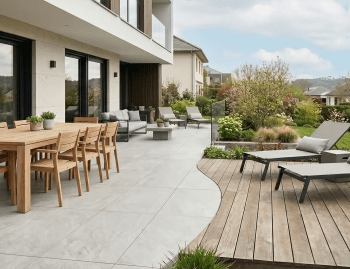
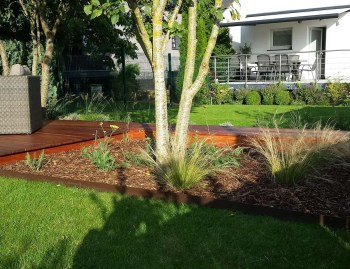
It is essential to plant at the correct depth (the root collar must be flush with the ground) and to prepare the soil properly. In our projects, these bare-root deciduous plants are combined with evergreens in root balls and grasses to provide long-lasting edging for a new lawn.
Stay tuned to find out how we showcased all of these varieties on the page for our next project.
Conclusion
In short, choosing to plant bare-root trees between fall and the end of winter is a sustainable, cost-effective, and environmentally friendly investment. By combining carefully selected deciduous trees with evergreen shrubs and perennials, Plantations Weisen provides your property with a balanced plant structure, ready to flourish come spring.
Things to remember :
- The best time: November through March, excluding periods of frost, when the plants are dormant.
- Key benefits: more economical than container-grown plants, zero plastic waste, and rapid root establishment starting in the spring.
- Plants suitable for this method: only deciduous trees and shrubs (espalier hornbeams, magnolias, spireas, hydrangeas, roses, weigelas, etc.).
- The golden rule 🌟: Never let the roots dry out in the open air before planting, and always apply a protective coating to the roots.