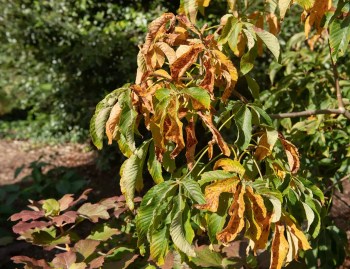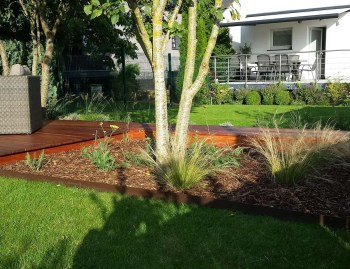


Planting new plants is always an exciting step in shaping your outdoor space, but that enthusiasm can sometimes give way to disappointment when the foliage wilts or turns yellow. There’s never a 100% guarantee that plants will take root after planting, since young plants go through a critical adjustment period.
At Plantations Weisen, we frequently see these issues among our customers. Understanding common mistakes and environmental stressors helps you prevent failures and give your flower beds the best possible start.
1. The main causes related to planting errors and the environment
Transplant shock and root handling
When transferring a plant from a pot or root ball to open ground, the root system undergoes significant mechanical and thermal stress. If the root hairs (the fine, absorbent roots) are broken, overly compressed, or left exposed to the air, the plant loses its ability to absorb water and nutrients. An untangled root ball will also prevent the roots from spreading horizontally in their new environment.
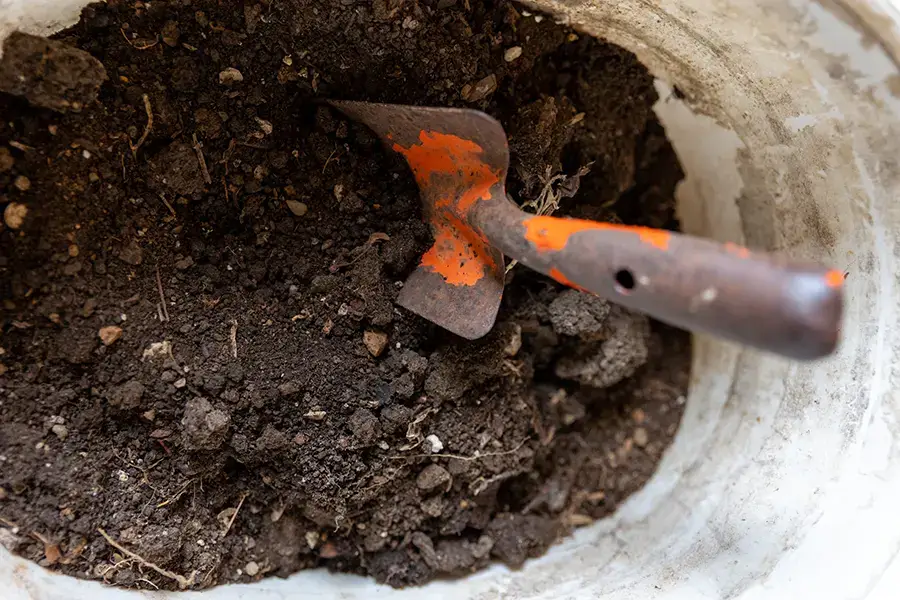
Soil quality and preparing the planting hole
Inappropriate soil is one of the main reasons for failure to establish roots:
-
Compacted or overly clay-rich soil suffocates the roots due to a lack of oxygen.
-
Soil that is too sandy allows water to run off without retaining it.
-
An inappropriate soil pH prevents the uptake of essential minerals.
-
A planting hole that is too narrow or not deep enough prevents root development.
The impact of the summer heat and drought in August
Getting through the summer months (especially those we’re currently experiencing in Luxembourg) is a major challenge for young plants. Heat waves accelerate evapotranspiration: the plant loses more water through its leaves than it absorbs through its young, underdeveloped roots. Without adequate protection from the scorching sun and parched soil, water stress can be fatal in just a few days.

2. Best practices for ensuring successful establishment
Careful management of irrigation and mulching
Watering is the most critical factor. A lack of water dries out the root ball, while too much water causes the roots to suffocate and rot.
-
Water thoroughly immediately after planting (initial watering).
-
Water thoroughly on a regular basis rather than giving small, shallow waterings every day.
-
Apply a layer of organic mulch (wood chips, straw, hemp) around the base of the plant to keep the soil cool and reduce rapid evaporation.
Soil improvement and care of the root ball
To provide optimal conditions for your plants, add organic amendments such as mature compost or high-quality potting soil to aerate the soil. Also, be sure to soak the root ball in a bucket of water before planting until all air bubbles have disappeared, and gently loosen the outer roots if they’ve formed a tight ball.
Hire a professional landscaper for your planting projects
Entrusting the creation of your green spaces to a specialized team helps you avoid purchasing plants that are unsuitable for the local soil or the microclimate of your property. The Plantations Weisen team selects healthy plants, carefully prepares your soil, and guarantees planting techniques that respect plant physiology to ensure the highest possible survival rate.
Conclusion
How well plants establish themselves after planting depends on a delicate balance between soil preparation, gentle handling, and consistent care during the first few months. By adjusting your watering schedule and protecting your flower beds from the current heat wave, you’ll give your plants the best possible chance to thrive. If you have any concerns about the health of your flower beds or need help planning your future landscaping projects, please don't hesitate to ask our landscapers for advice.
Things to remember
- Take good care of the root ball: Always rehydrate it before planting and gently untangle the roots.
- Prepare the soil: Loosen the planting hole and enrich it with suitable organic amendments.
- Keep an eye on the water: Water deeply and cover the soil with mulch to combat drought.
- Be mindful of the season: Protect young plants from intense summer heat to prevent heat stress and dehydration.