

Since late May, the Grand Duchy has been experiencing exceptional heat waves. This summer has been particularly sweltering, putting not only our bodies but also our green spaces to the test. In the face of this heat wave, your garden needs a little help to survive. At Plantations Weisen, we’re here to share our professional advice on how to protect your gardens from this stifling heat.
1. Assess water stress and identify needs
Recognizing the signs of plant distress
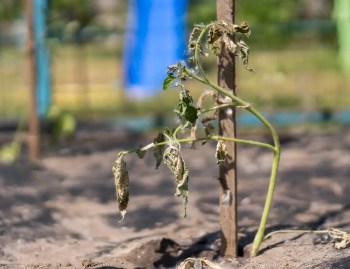
With temperatures this high, the water in the soil evaporates at a record rate. Deprived of moisture, the roots can no longer nourish the plant. Water stress in the crops then sets in quickly. Signs to watch for:
-
Leaves that curl, wilt, or turn yellow at the tips.
-
Flowers and buds that dry out and fall off prematurely.
-
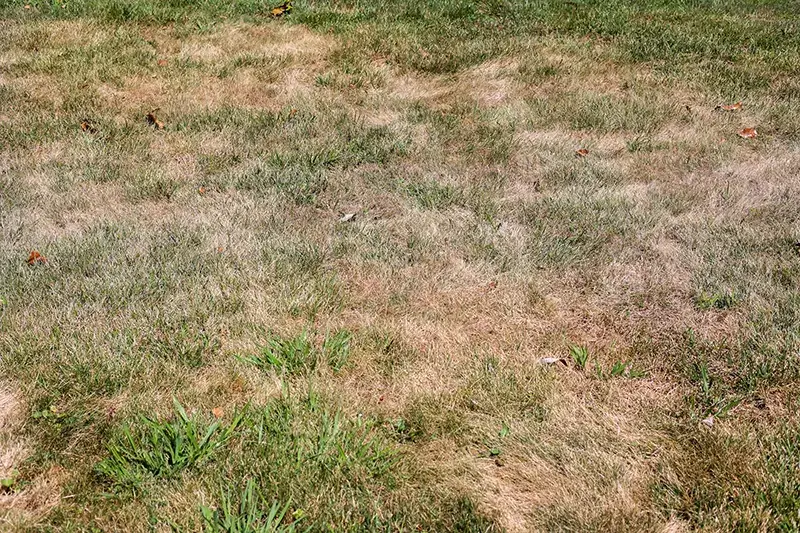
Grass that turns a straw-like color and doesn't stand back up after being walked on.
Distinguish between susceptible plants and resistant varieties
Not all plants are equally resilient to the blazing sun. Knowing how to identify the specific needs of each variety will allow you to adjust your care routine:
-
The most sensitive plants: Hydrangeas, Japanese maples, rhododendrons, plants with large foliage, lettuce and vegetables from the garden, as well as all young plants planted in the spring. They need soil that remains consistently cool.
-
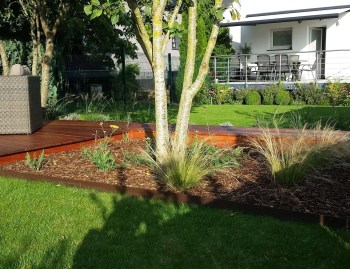
Hardy Plants: Aromatic herbs (lavender, rosemary, thyme), sedums, grasses, oleander, rockroses, and olive trees. Their leathery, downy, or silvery leaves naturally retain moisture, helping them withstand drought better.
2. Adopt the right protective and recovery measures
Mastering watering and mulching the soil
To optimize watering during a heat wave, water generously 2 to 3 times a week rather than a little each day. Be sure to water early in the morning or late in the evening, directly at the base of the plants.
Add a generous layer of mulch (5 to 10 cm) to reduce evaporation by 75% and keep the roots cool.
Avoid common maintenance mistakes
During a heat wave, it is essential to suspend certain routine summer garden maintenance practices so as not to put additional stress on your plants:
-
❌ Mowing too short: Set your mower to at least 8 cm. Tall grass acts as a natural shade for the soil.
-
❌ Pruning shrubs: Cutting branches stimulates the growth of young shoots that require a lot of water and deprives the plant of its shade.
-
❌ Fertilizer application: Fertilization stimulates the plant's metabolism at a time when it should be entering dormancy.
Supporting Recovery After Heat Exposure
As soon as the temperatures become more bearable again, it's crucial to help the garden recover:
- Loosen the soil: Drought tends to compact the soil, creating an impermeable crust. Gently scratch the soil's surface to allow water from future waterings to seep in properly.
- Rehydrate gently: Water generously and gradually to avoid over-saturating soil that has become too dry and dusty.
- Clean up the dry parts: Gently remove completely burnt leaves and wilted flowers to encourage new growth and relieve the plant.

Conclusion
This sweltering summer proves that to prepare for every heat wave, your garden needs to be planned with the long term in mind. By adjusting your habits and choosing the right plants, you can stack the odds in your favor to weather the rigors of summer. The team at Plantations Weisen is here to guide you toward creating a resilient landscape.
Things to remember
-
Water during the coolest parts of the day (morning or evening), directly at the base of the plant.
-
Mulch all bare soil to prevent water from evaporating.
-
Stop mowing the lawn very short, pruning, and applying fertilizer during heat waves.
-
Loosen the dry soil when cooler weather returns to help it rehydrate.