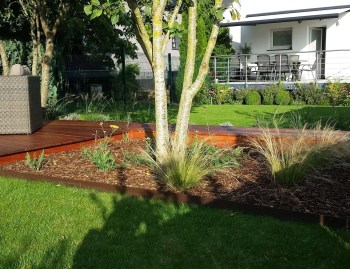


Winter is a harsh season for local wildlife, and providing shelter for wild species is essential to preserving biodiversity. At Plantations Weisen, we offer practical advice on how to turn your garden into a haven for birds, hedgehogs and insects during the cold season.
Why protect biodiversity in winter?
Winter limits food and shelter resources for many species. By adapting your garden, you can help local wildlife to survive, while preserving the natural balance of your green space.
A living garden all year round
- Maintain a variety of evergreens
- Leaving wild areas untended
- Avoid the use of pesticides
The importance of shelters in preserving biodiversity
- Piles of wood and dead leaves serve as natural habitats
- Install specific nesting boxes and shelters for each species
- Preserve dense hedges to protect wildlife
How do you create a wildlife refuge?
Helping birds in winter
- Install feeders with seeds and fat balls
- Provide unfrozen water
- Plant berry bushes (hawthorn, elderberry...)
Providing shelter for hedgehogs
- Create a nest in a pile of wood or leaves
- Avoid moving compost heaps in winter
- Limiting the use of lawnmowers and power tools
Encouraging beneficial insects
- Install an insect hotel if you wish
- Leaving wilted flowers and hollow stems
- Prefer nectariferous plants
Adopting sustainable practices for a welcoming garden
Favoring diversified plantings
- Plant local, hardy species
- Opt for natural ground cover
Reducing environmental impact
- Mulch to protect the soil
- Rainwater harvesting
- Avoid intensive pruning in winter
Working with landscaping experts
- Call on Plantations Weisen for an adapted garden
- Designing ecological and aesthetic natural spaces

By adopting these simple gestures, you actively contribute to the preservation of biodiversity in your garden, while enjoying a lively, harmonious space even in winter. Plantations Weisen can help you create an environment conducive to the well-being of local flora and fauna. Please do not hesitate to contact us.
Things to remember
- Feeding and sheltering birds, hedgehogs and insects
- Give preference to local and diversified plants
- Reduce the use of chemicals
- Design your garden sustainably and responsibly.