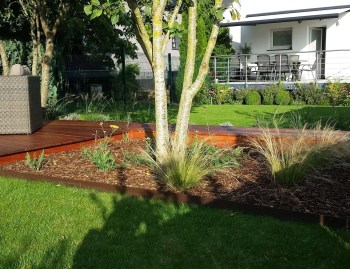


A green, well-kept lawn is every garden owner's dream. However, over time, factors such as weathering, trampling and disease can damage the lawn, especially here in Luxembourg where climatic conditions can vary. Fortunately, seeding is an effective method of renovating a damaged lawn and restoring your outdoor space to its original glory. In this article, we'll explore what seeding is, its benefits and how to do it correctly to achieve a dense, healthy lawn.
What is seeding?
Seeding involves sowing grass seed on an existing or prepared surface to create or renovate a lawn. This method is particularly useful for filling in sparse areas, reinforcing an existing lawn or replacing damaged turf. Seeding can be carried out in spring or autumn, when weather conditions are optimal for seed germination and growth.
The benefits of seeding
Seeding has several advantages over other lawn renovation methods:
- Savings: Compared with laying rolls of turf, seeding is a more economical option. Grass seed is generally less expensive than pre-cultivated rolls of grass.
- Flexibility: Seeding allows you to choose from a variety of turf types suited to different soil and climate conditions. This allows you to select seeds specifically adapted to your needs and preferences.
- Strengthening the lawn: Seeding can help densify an existing lawn, reducing weed competition and improving resistance to disease and pests.
How to proceed with seeding?
To ensure successful seeding, it is essential to follow a few key steps:
1. Soil preparation
Before sowing, make sure the soil is well prepared. This includes weeding, levelling and enriching the soil with appropriate nutrients. Good soil preparation is crucial to ensure that grass seed can establish itself quickly and efficiently.
2. Seed selection
Choose grass seeds adapted to the specific conditions of your garden, such as soil type, sun exposure and intended use of the lawn. There are seed mixes for different conditions, such as shade, drought resistance or intensive trampling.
3. Sowing
For uniform seeding, use a hand or mechanical spreader. Spread the seeds evenly over the surface to be seeded. For best results, sow half the seeds in one direction, then the other half in a perpendicular direction.
4. Seed burial
After sowing, lightly rake the soil to bury the seeds to a depth of about 1/4 inch. This will protect them from birds and encourage contact with the soil for better germination.
5. Watering
Water the seeded area immediately after sowing and keep the soil moist until the seeds germinate and the young shoots reach a height of 2 to 3 centimetres. Then, gradually reduce the frequency of watering while increasing the amount of water at each watering to encourage deep rooting.
6. Maintenance
Once the lawn has germinated, follow a regular maintenance program that includes mowing, watering and fertilizing. The first mowing should be carried out when the grass reaches a height of 5 to 7 centimetres, cutting no more than a third of the height of the blades each time.
In conclusion, seeding is an effective and economical method of renovating a damaged lawn and transforming your garden into a lush, green space. By following the key steps of preparation, sowing and maintenance, you can guarantee the success of your seeding. For those who want a perfect lawn without the hassle of installation, our landscape experts at Plantations Weisen are at your disposal. Don't hesitate to contact us for more information or to request a customized quote.
Don't hesitate to contact us for more information or to request a quote and personalized advice tailored to your garden.